📑 Table of Contents
- 1. What Is Journaling & What Does Research Suggest?
- 2. 4 Practical Journaling Approaches for Beginners
- 3. Comparison Table: Choosing the Right Approach
- 4. 5 Simple Steps to Build a Daily Journaling Habit
- 5. 30 Beginner Journaling Prompts for Daily Use
- 6. Paper Notebooks vs. Digital Journaling & Privacy
- 7. Frequently Asked Questions (FAQ) & Academic References
1. What Is Journaling & What Does Research Suggest?
Journaling is the simple practice of recording personal thoughts, reflections, tasks, or experiences on paper or digitally. Learning how to start journaling does not require complicated rules or hours of free time. For most beginners, spending just 5 to 10 minutes reflecting on daily events can be a practical way to organize thinking and set priorities.
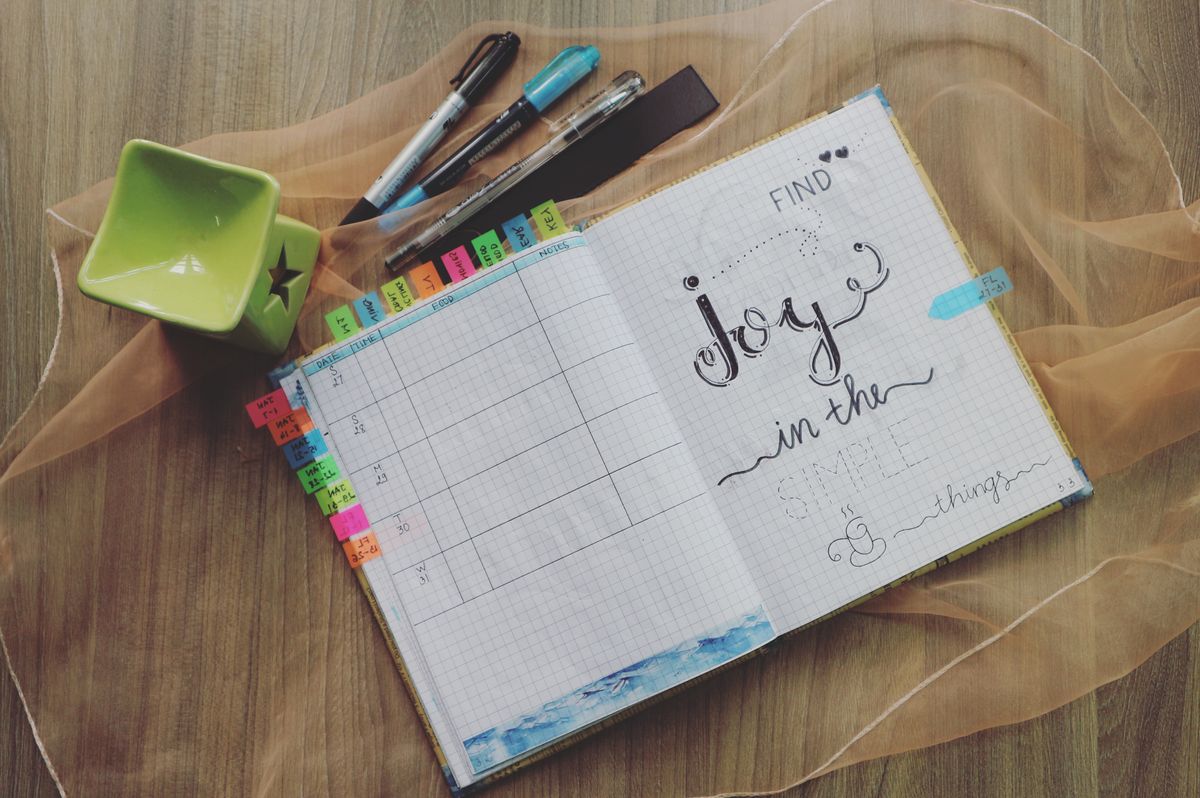
Research on affect labeling—the act of putting emotional experiences into written or spoken words—suggests that translating feelings into language can influence how the brain processes emotional events. In a widely cited neuroimaging study (Lieberman et al., 2007), participants who labeled emotional expressions showed reduced amygdala activity alongside increased activation in regions of the prefrontal cortex. While this does not mean journaling automatically "cures" stress or replaces professional mental health care, many individuals find that writing helps clarify thoughts and reduce mental clutter.
2. 4 Practical Journaling Approaches for Beginners
Depending on your goals, choose one of these four straightforward methods:
- Gratitude Reflection: Listing 3 specific things you are grateful for each day. This positive-psychology exercise encourages you to deliberately notice positive experiences and daily progress.
- Morning Pages: A technique popularized by Julia Cameron in The Artist's Way, involving writing three pages of longhand, stream-of-consciousness thoughts first thing in the morning to clear mental clutter.
- The Bullet Journal Method: Created by Ryder Carroll, this structured rapid-logging system uses short bullets, task symbols, and indexes to manage to-dos, schedules, and reflections in a single notebook.
- 4-Corner Reflection Template: A simple custom layout dividing a page into four equal sections: 1. Gratitude, 2. Today's Top Priority, 3. Daily Win, and 4. Lesson Learned.
3. Comparison Table: Choosing the Right Approach
| Journaling Approach | Typical Time | What It Can Help You Do | Best For |
|---|---|---|---|
| Gratitude Reflection | 3 to 5 Minutes | Notice positive experiences and daily wins | Beginners & quick check-ins |
| Morning Pages | 10 to 20 Minutes | Clear mental clutter & explore stream-of-consciousness ideas | Creators, writers & thinkers |
| Bullet Journal (BuJo) | 5 to 15 Minutes | Organize tasks, habits & rapid notes in one notebook | Organized planners & goal trackers |
| 4-Corner Template | 5 Minutes | Structured balance across priorities, wins & lessons | Daily balanced reflections |
4. 5 Simple Steps to Build a Daily Journaling Habit
Building a consistent habit relies on setting low initial expectations:

- Step 1 — Pick an Accessible Notebook: Any plain notebook or digital notes app works. Avoid waiting for the "perfect" stationery.
- Step 2 — Pair with an Existing Cue (Habit Stacking): Connect journaling to an existing daily anchor—such as writing while drinking morning coffee or immediately after closing your work computer.
- Step 3 — Use the 2-Sentence Rule: On busy or low-energy days, commit to writing just two sentences. Starting lowers mental friction.
- Step 4 — Avoid Editing as You Write: Treat your journal as a private notebook. Do not worry about neatness, grammar, or sounding eloquent.
- Step 5 — Optional Weekly Check-in: Briefly skim past entries on weekends to notice recurring thoughts or celebrate progress.
5. 30 Beginner Journaling Prompts for Daily Use
If you feel stuck on what to write, choose one prompt below:
🌿 Self-Reflection & Clarity Prompts:
- 1. What is taking up the most mental space for me today?
- 2. What is one situation I can control today, and one I need to let go of?
- 3. How am I feeling right now in three descriptive words?
- 4. What is a boundary I need to protect this week?
- 5. What advice would I give a friend in my current situation?
- 6. What is a small decision I made recently that turned out well?
- 7. What activity leaves me feeling energized rather than drained?
- 8. What is a fear or worry that seems smaller when written down?
🌅 Morning Intentions & Priorities:
- 9. What is ONE essential task that would make today feel successful?
- 10. How do I want to feel at the end of today?
- 11. What potential distraction should I prepare to avoid today?
- 12. Who is one person I can reach out to or support today?
- 13. What is one small act of self-care I will practice today?
- 14. What mindset do I want to bring into my work today?
- 15. What am I looking forward to most in the next 24 hours?
🌙 Evening Reflection & Unwinding:
- 16. What went surprisingly well today?
- 17. What challenged me today, and how did I handle it?
- 18. What did I learn about myself today?
- 19. What can I do tonight to make tomorrow morning easier?
- 20. What thought or task do I need to unload before sleeping?
- 21. What was a quiet moment of calm during my day?
- 22. How did I handle unexpected changes to my plan today?
💡 Gratitude & Growth Prompts:
- 23. What are 3 simple comforts I enjoyed today (e.g., warm tea, quiet room)?
- 24. Who is someone who helped me recently, and why am I thankful for them?
- 25. What is a skill I have improved at over the past year?
- 26. What is a lesson I learned from a past mistake?
- 27. What is a favorite memory from the past month?
- 28. What is something in my physical environment I appreciate right now?
- 29. What is a personal strength I relied on this week?
- 30. What progress have I made toward a goal, no matter how small?
6. Paper Notebooks vs. Digital Journaling & Privacy
Both physical paper journals and digital tablet apps (such as tablet PDF planners or notes apps) have distinct advantages:
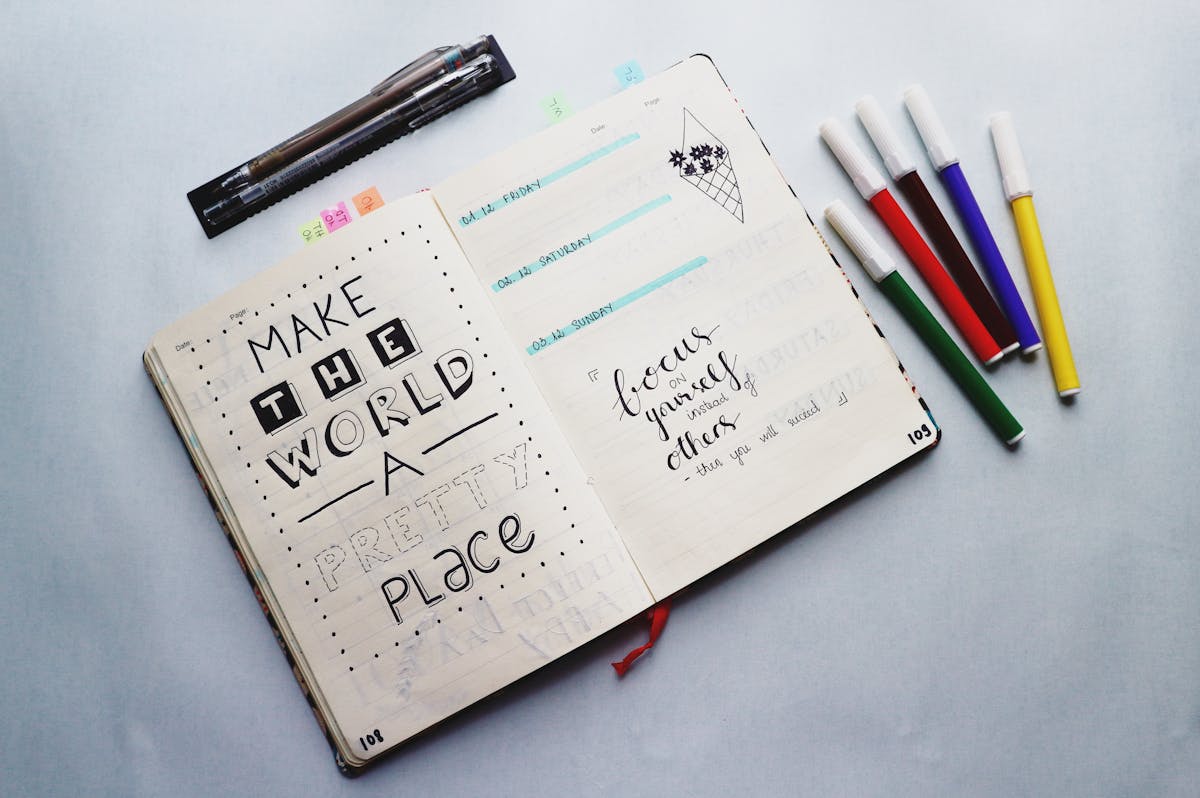
- Paper Notebooks: Provide a screen-free tactile experience, encourage deliberate thinking, and eliminate digital notification interruptions.
- Digital Journals & PDF Planners: Offer quick keyword searchability, cloud sync across devices, and reusable page templates.
- Digital Privacy Guidance: For sensitive personal entries, consider password protection, device-level encryption, and storing files in local directories rather than unencrypted shared accounts.
7. Frequently Asked Questions (FAQ) & Academic References
❓ What should I do if I miss several days of journaling?
Missing days is entirely normal. Avoid feeling guilty or trying to "catch up" on missed entries. Simply open a fresh page and write a short check-in for today.
❓ Is morning or evening journaling better?
Neither is inherently superior. Morning journaling is often used to set priorities and clear thoughts, while evening journaling is helpful for unwinding and reflecting on daily wins.
- Lieberman, M. D., et al. (2007). Putting feelings into words: Affect labeling disrupts amygdala activity to affective stimuli. Psychological Science. PubMed ID: 17576282.
- Cameron, J. (1992). The Artist's Way: A Spiritual Path to Higher Creativity. Tarcher/Putnam (Origin of Morning Pages methodology).
- Carroll, R. (2018). The Bullet Journal Method: Track the Past, Order the Present, Design the Future. Portfolio/Penguin (Official Bullet Journal Method).